
Spanning 4V (gelijkstroom) Batterijcapaciteit 1,5Ah/2,0Ah Motortype ...
See Details-
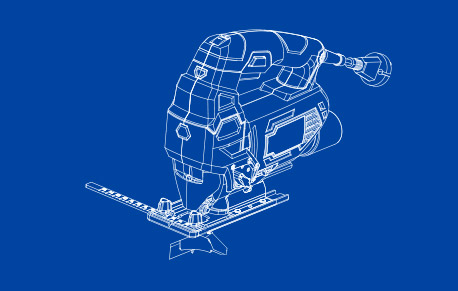
Elektrische houtbewerkingszaag
-
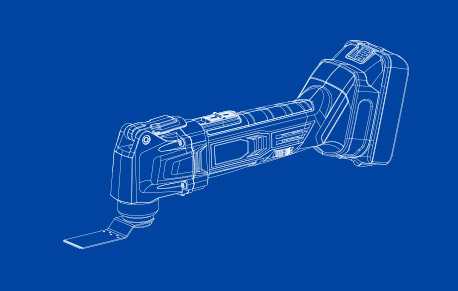
Multifunctionele oscillerende zaag
-
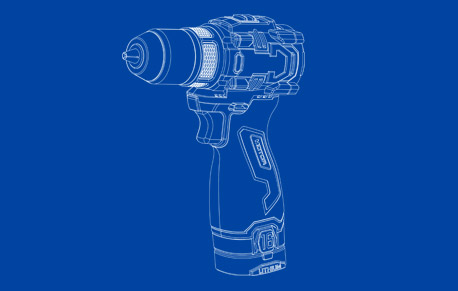
Boormachine
-
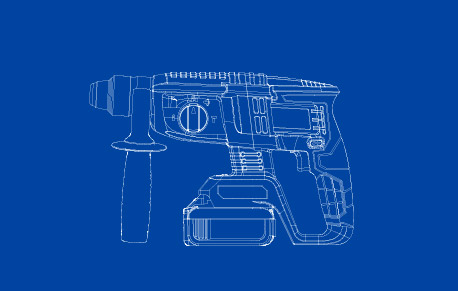
Roterende hamerboor
-
Slagmoersleutel
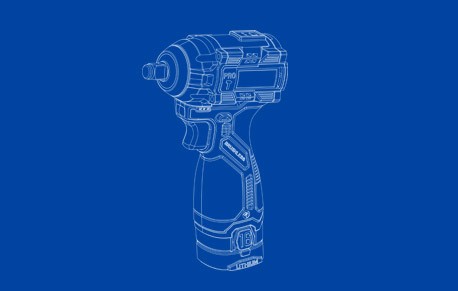
-
Elektrische schroevendraaier
-
Haakse slijper
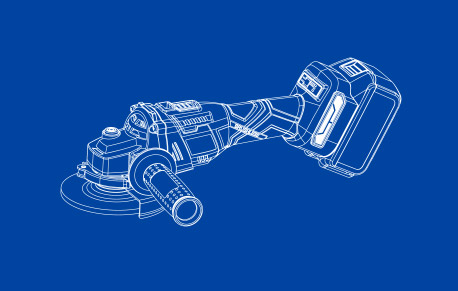
-
Handhogedrukreiniger
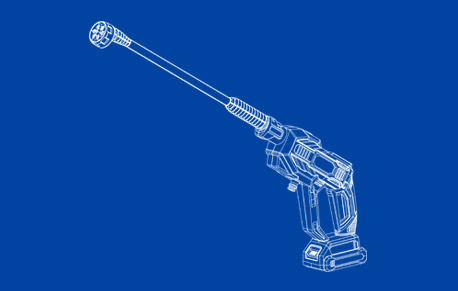
-
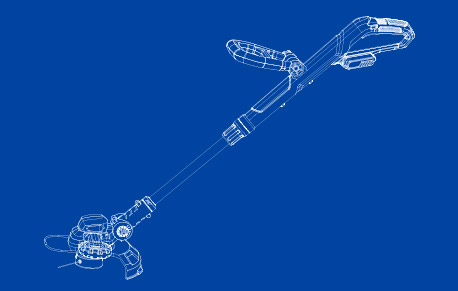
Handgrasmaaier
-
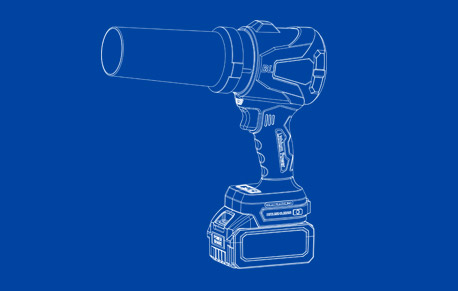
Lithium turbojetblower
-
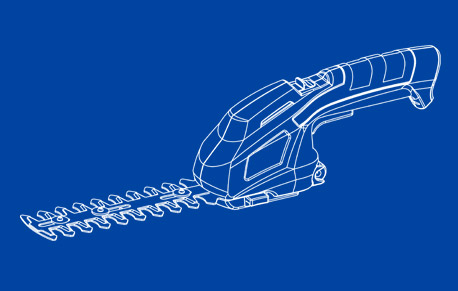
Elektrische snoeischaar
-
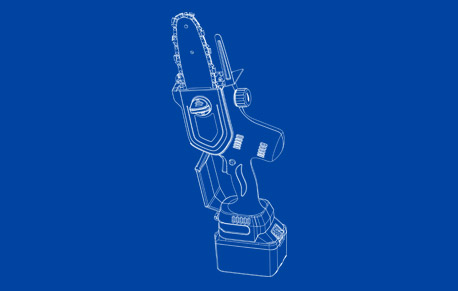
Lithium kettingzaag
-
Handbediende cultivator
-
Plantenbewateringsapparaten
-
Luchtpomp

Author: Admin Date: 2026-02-24
Hoe werkt de hameractie in een boorhamer en welke rol speelt deze bij het verbeteren van de boorefficiëntie?
-
Roterend bewegingsmechanisme — De Roterende hamerboor werkt met een primaire roterende beweging die wordt gegenereerd door een elektromotor die mechanische energie overbrengt via een tandwieloverbrengingssysteem om de boor met gecontroleerde snelheden te laten draaien. Door deze roterende beweging kunnen de snijranden van de boor rechtstreeks in contact komen met het werkoppervlak, waardoor materiaal wordt verwijderd door een combinatie van knippen, slijpen en schuren. De rotatie zorgt voor een continu contact tussen de bit en het materiaal, wat een stabiele gatvorming en consistente snijprestaties ondersteunt. De roterende actie speelt een cruciale rol bij het verwijderen van vuil uit het geboorde gat door gefragmenteerde deeltjes langs de groeven van de boor naar buiten te bewegen, waardoor verstopping wordt voorkomen en de opbouw van warmte wordt verminderd. Een goed gecontroleerde rotatiesnelheid draagt ook bij aan een verbeterde boornauwkeurigheid, minimaliseert het ronddwalen van de boor en handhaaft de structurele integriteit van zowel het gereedschap als het werkstuk. Bij veeleisende toepassingen, zoals het boren in gewapend beton of dicht metselwerk, zorgt het rotatiemechanisme voor een gestage voortgang en ondersteunt het de effectiviteit van het hamersysteem door een consistent contact tussen de boor en het oppervlak te behouden.
-
Pneumatisch hamersysteem — De pneumatic hammering system is the defining technological feature that distinguishes a Rotary Hammer Drill from conventional drilling tools. This mechanism operates using a piston-driven air compression system that generates powerful impact energy. Inside the tool, a motor-driven crankshaft moves a drive piston back and forth within a sealed cylinder, compressing air that propels a secondary flying piston. This flying piston strikes an impact bolt connected to the drill bit, delivering high-energy blows along the axis of drilling. Unlike mechanical hammer systems that rely on direct gear contact, the pneumatic design allows for more efficient energy transfer and produces stronger impacts with less vibration transmitted to the user. The independent operation of the hammering mechanism ensures that impact force remains consistent regardless of applied pressure. This system enables the tool to break apart highly resistant materials quickly, reduces mechanical strain on internal components, and improves overall operational durability. The pneumatic hammering mechanism therefore provides superior performance in heavy-duty construction environments where high impact energy and reliability are essential.
-
Gelijktijdige rotatie en percussie — Een van de belangrijkste voordelen van een boorhamer is de mogelijkheid om tegelijkertijd roterende snij- en hameracties uit te voeren. Door deze geïntegreerde handeling ontstaat een uiterst efficiënt boorproces waarbij de ene beweging de andere aanvult. De hameractie genereert herhaalde axiale schokken die het materiaal breken en verzwakken, terwijl de roterende beweging losgemaakte fragmenten verwijdert en de boor verder in het oppervlak voortbeweegt. Deze gesynchroniseerde functionaliteit zorgt voor een continue materiaalafbraak en -verwijdering zonder onderbreking, waardoor de weerstand van de boor wordt verminderd. De combinatie voorkomt ook overmatige wrijving en warmteontwikkeling, wat een negatieve invloed kan hebben op de gereedschapsprestaties en de levensduur van de componenten. Door een consistente penetratie te behouden en energieverlies te minimaliseren, verbeteren gelijktijdige rotatie en percussie de boorprecisie, verhogen ze de snelheid en verminderen ze de kans op vastlopen van het gereedschap. Dit gecoördineerde mechanisme is vooral waardevol bij professionele toepassingen waarbij diep of herhaaldelijk boren in harde materialen nodig is, waarbij het handhaven van een consistente efficiëntie en betrouwbaarheid van cruciaal belang is voor het succes van het project.
-
Materiaalbreuk en microscheureffect — De hammering action of a Rotary Hammer Drill produces high-frequency impacts that generate localized stress within the material being drilled. These impacts create microscopic fractures, or micro-cracks, that weaken the internal structure of dense materials such as concrete, stone, or brick. As the structural integrity of the material decreases, the rotating drill bit can remove fragmented particles more easily with minimal cutting resistance. This process significantly improves drilling efficiency by reducing the force required to penetrate hard surfaces. The micro-cracking effect also helps distribute stress evenly around the drilling area, minimizing the risk of large-scale surface damage or uncontrolled cracking. Furthermore, by weakening the material progressively rather than relying solely on mechanical cutting, the tool reduces strain on the motor and internal components, which contributes to longer service life and consistent performance. This controlled fracturing process is particularly important in structural applications where precision and material integrity must be carefully maintained.
-
Verbeterde penetratiemogelijkheden — De hammering mechanism in a Rotary Hammer Drill provides concentrated impact energy that enables the tool to penetrate extremely dense and high-strength materials efficiently. Each impact delivers a powerful force directly to the drilling surface, breaking down compact material structures and allowing the drill bit to advance with minimal resistance. This capability significantly improves the tool’s effectiveness in applications involving reinforced concrete, structural stone, or heavy masonry, where conventional drilling methods would struggle to achieve sufficient penetration. The high-impact energy also allows the tool to maintain consistent performance even under demanding conditions, such as deep-hole drilling or continuous operation. Enhanced penetration capability reduces the time required to complete drilling tasks and ensures reliable results in professional construction environments. The ability to penetrate hard materials efficiently reduces wear on cutting edges and minimizes the likelihood of overheating, further supporting the tool’s durability and operational stability.

-
Feedback
Gerelateerde producten
-
-
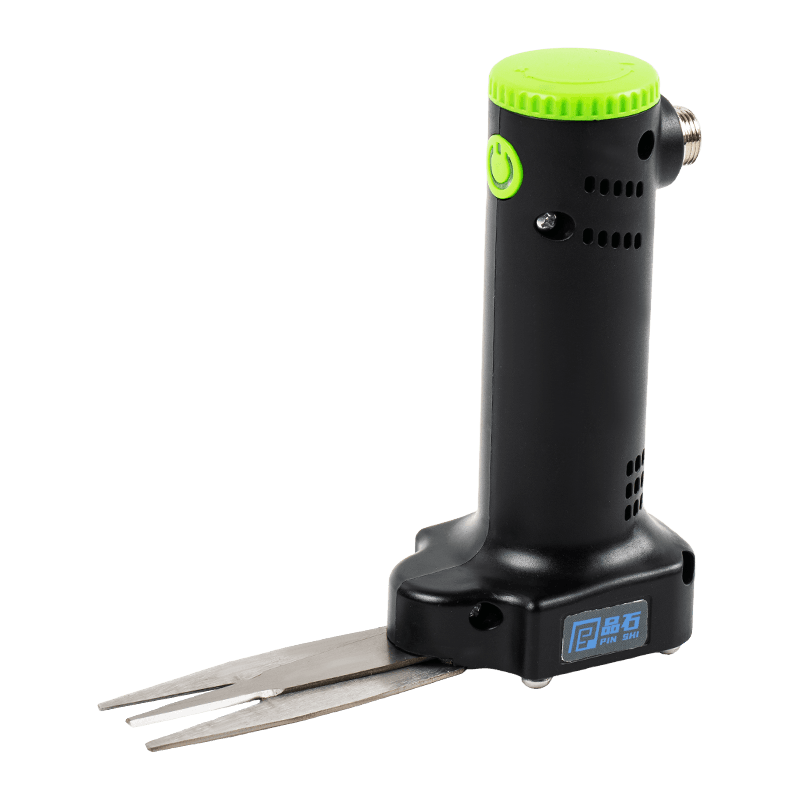
Ingangsspanning Wisselstroom 100-240V 50-60Hz Werkspanning 24V (gelijkstroom) ...
See Details -
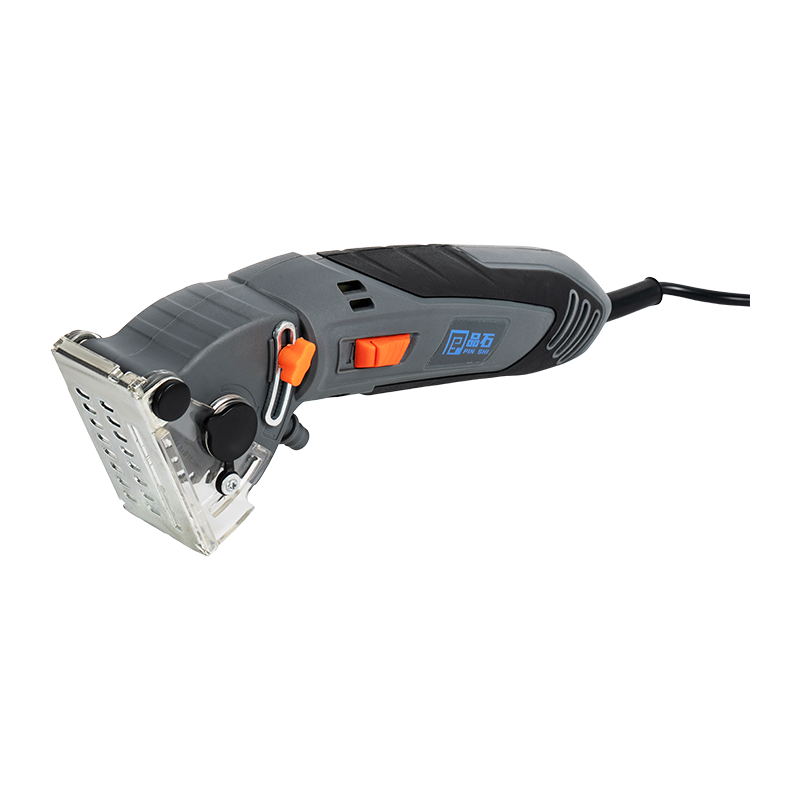
Ingangsspanning (V) 230V/120V Netfrequentie (Hz) 50 Hz/60 Hz Ingangsvermoge...
See Details -
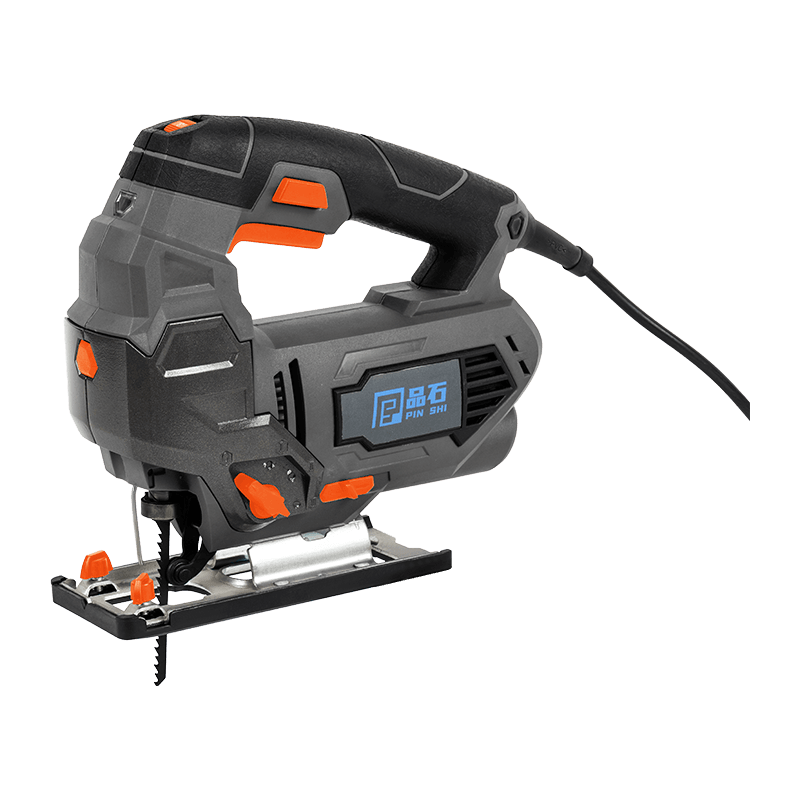
Ingangsspanning (V) 230V/120V Netfrequentie (Hz) 50 Hz/60 Hz Ingangsvermoge...
See Details -
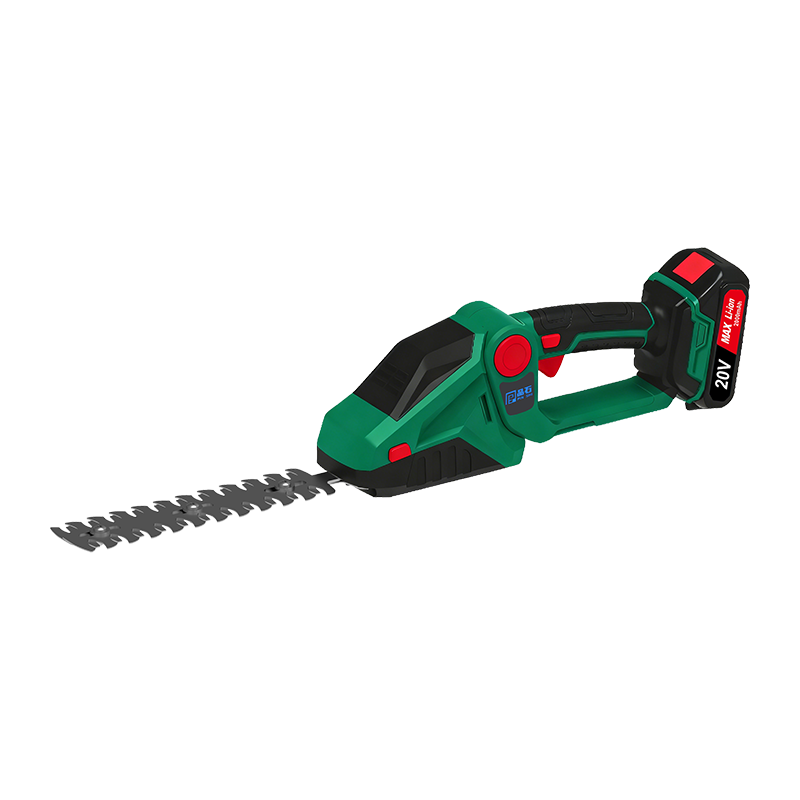
Spanning 20 V (gelijkstroom) Batterijcapaciteit 1,5Ah/2,0Ah Motortype ...
See Details -
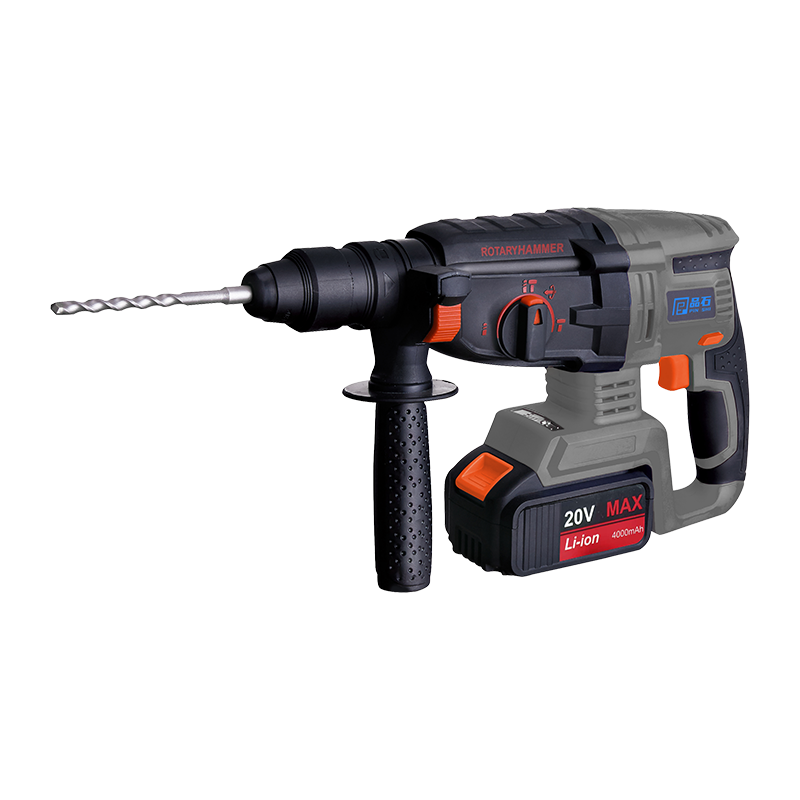
Spanning 20V(gelijkstroom) Batterijcapaciteit 3,0Ah/4,0Ah Motortype ...
See Details
Gerelateerd nieuws
-
In het snel evoluerende landschap van de bouw, autoreparatie en industriële assemblage is één instrument steeds de ruggengraat van efficiëntie gebl...
READ MORE -
Wat is tegenwoordig precies een elektrische schroevendraaier? De veranderende betekenis van ‘elektrische schroevendraaier’ in moderne gereedscha...
READ MORE -
Slagmoersleutel: definitie en kernwerkprincipe De Slagmoersleutel , in industriële kringen vaak een luchtpistool, luchtsleutel of elektri...
READ MORE
-
LINK
-
product
-
Snel contact
-
 Building 1, Floor 1, Industrial Zone, Zhongyi Village, Guolin Town, Haishu District, Ningbo City, Zhejiang Province, China
 -
 +86-13906619096
 -
 Michael@chinashimu.com
-
HOUD CONTACT
Auteursrecht© Ningbo Pinshi Electromechanical Co., LTD.

Groothandel doe-het-zelf-huishouden/huishoudelijk elektrisch gereedschap Fabriek